



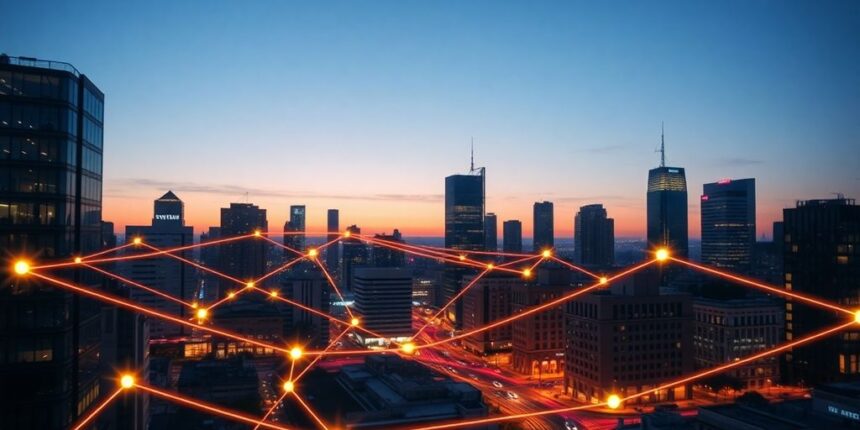
Smart cities are changing things up, big time. They’re not just about fancy tech; they’re creating a whole bunch of new chances for small companies to get started and grow. Think about it: when cities get smarter, they need all sorts of new stuff, from better ways to manage traffic to cleaner air solutions. And that’s where startups come in. They’re quick, they’re innovative, and they can jump on these new needs to help build the cities of tomorrow. It’s a pretty exciting time to be an entrepreneur if you’re looking to make a real impact on urban life.
Key Takeaways
- Smart cities are a big deal for new businesses, giving them lots of chances to grow.
- Technology like IoT and digital twins is making city infrastructure way better and more efficient.
- New ideas in smart cities are helping make transportation smoother and more organized.
- Startups are coming up with cool ways to handle waste and clean up the air in cities.
- There are tons of opportunities for new companies to help cities become more connected and improve public services.
Leveraging IoT for Urban Infrastructure
IoT is really changing how cities work, and it’s creating some cool chances for startups. It’s not just about connecting devices; it’s about making city systems smarter and more efficient. Think about how much energy we could save, or how much smoother traffic could flow. It’s a big deal.
IoT-Driven Infrastructure Management
IoT is the backbone of modern smart cities. It’s all about using sensors and data to manage things like roads, bridges, and utilities more effectively. Imagine sensors that can detect when a road needs repair or when a water pipe is about to burst. This IoT allows cities to be proactive instead of reactive, saving money and resources in the long run.
- Real-time monitoring of infrastructure
- Predictive maintenance to prevent failures
- Efficient resource allocation based on data
Digital Twin Technology for Predictive Maintenance
Digital twins are virtual models of physical assets, like buildings or bridges. By using data from sensors, these twins can simulate real-world conditions and predict when maintenance is needed. This means cities can fix problems before they happen, reducing downtime and improving safety. Startups can create interoperable and scalable digital twin platforms that diverse city departments can adopt.
Optimizing Energy Use with Digital Twins
Digital twins aren’t just for maintenance; they can also help cities use energy more efficiently. By simulating energy consumption patterns, cities can identify areas where they can reduce waste and save money. This could involve anything from optimizing street lighting to improving the energy efficiency of buildings. It’s a win-win for the environment and the city’s budget.
Using digital twins for energy optimization can lead to significant cost savings and a smaller carbon footprint. By understanding how energy is used in real-time, cities can make smarter decisions about resource allocation and infrastructure upgrades.
Transforming Urban Mobility and Logistics
Urban mobility is changing fast, and it’s creating some cool opportunities for startups. Think about how we get around, how goods are delivered, and how cities manage all that movement. There’s a lot of room for improvement, and that’s where innovative companies come in. It’s not just about making things faster; it’s about making them smarter, greener, and more efficient for everyone.
Smart Mobility Solutions
Smart mobility is all about using technology to make transportation better. This includes a bunch of different things, like ride-sharing apps, electric scooters, and even autonomous vehicles. The goal is to give people more options for getting around, reduce traffic congestion, and lower emissions. Startups are coming up with some really creative ideas in this area, from new types of vehicles to platforms that integrate different modes of transportation. For example, EIT Urban Mobility is helping to pilot solutions for urban mobility challenges.
- Micro-mobility: Scooters and e-bikes are changing how people do short trips.
- Ride-sharing: Apps connect riders and drivers, reducing the number of cars on the road.
- Autonomous vehicles: Self-driving cars could revolutionize transportation in the future.
Intelligent Traffic Management Systems
Traffic jams are a huge problem in many cities, costing people time and money, and increasing pollution. Intelligent traffic management systems use data and technology to optimize traffic flow and reduce congestion. This can involve things like real-time traffic monitoring, adaptive traffic signals, and even predictive analytics. Startups are developing new ways to collect and analyze traffic data, and to use that data to make traffic management more efficient. Smart parking systems are also part of this, helping drivers find parking spots more easily.
These systems can also help to improve safety by detecting accidents and alerting emergency services. They can also provide drivers with real-time information about traffic conditions, helping them to avoid congestion and get to their destinations more quickly.
Citizen Movement Analysis for Urban Planning
Understanding how people move around a city is super important for urban planning. Citizen movement analysis uses data from various sources, like GPS, cell phones, and public transit, to understand patterns of movement. This information can be used to improve public transportation, design better streets, and even plan new developments. Startups are creating platforms that compile and analyze this data, providing valuable insights for city planners. This analysis can help with urban mobility challenges by identifying areas where transportation is inefficient or inadequate.
Here’s a simple example of how citizen movement data might be used:
| Area | Peak Hour | Average Speed | Improvement Needed? | Recommendation |
|---|---|---|---|---|
| Downtown | 8:00 AM | 10 mph | Yes | Improve public transit, add bike lanes |
| Residential | 5:00 PM | 25 mph | No | Monitor traffic flow |
| Industrial | 7:00 AM | 15 mph | Yes | Optimize truck routes, improve road infrastructure |
Innovating Environmental Sustainability
Smart cities are really stepping up when it comes to environmental issues. It’s not just about being "green" anymore; it’s about using technology to make real, measurable improvements. Startups are at the forefront, bringing fresh ideas and agile solutions to some pretty big problems. Let’s take a look at some key areas.
Smart Waste Management Systems
Smart waste management is revolutionizing how cities handle trash. Instead of just collecting waste, these systems use sensors and data analytics to optimize collection routes, reduce overflow, and even sort recyclables more efficiently. Imagine bins that tell collection crews when they’re full, or systems that automatically separate different types of waste. This not only cuts down on costs but also minimizes environmental impact. For example, smart waste management solutions can reduce pollution and enhance environmental sustainability.
Air Quality Management Solutions
Air pollution is a major concern in many urban areas, and smart cities are fighting back with technology. Startups are developing advanced sensor networks to monitor air quality in real-time, identifying pollution hotspots and tracking the sources of emissions. This data can then be used to inform policy decisions, alert citizens to potential health risks, and even trigger automated responses, like adjusting traffic flow to reduce congestion. The general health of ecosystems and public health is directly impacted by the quality of the air we breathe. Startups in the air quality management sector are well-positioned to address the global demand for cleaner and healthier air.
Green Roofs for Urban Ecosystems
Green roofs are more than just pretty gardens on top of buildings; they’re a powerful tool for improving urban sustainability. By covering rooftops with vegetation, cities can reduce the urban heat island effect, absorb rainwater, and even create habitats for wildlife. Startups are developing innovative green roof technologies, like modular systems that are easy to install and maintain, as well as specialized plant selections that thrive in urban environments. Green roofs are an environmentally friendly choice for urban construction because they reduce the urban heat island effect by absorbing sunlight through flora.
Green roofs offer a multitude of benefits, including improved air quality, reduced stormwater runoff, and increased energy efficiency. They also provide aesthetic value and can create a more pleasant environment for city dwellers.
Advancing Public Health and Safety
Smart cities are really stepping up when it comes to keeping people healthy and safe. It’s not just about hospitals anymore; it’s about using technology to prevent problems before they even start. Think about it: better healthcare access, quicker emergency responses, and safer streets. It’s a whole new level of city care.
Telemedicine Platforms and AI-Driven Health Monitoring
Telemedicine is changing the game. It’s making healthcare accessible to people who might not be able to easily get to a doctor’s office. AI is also playing a big role, monitoring health data in real-time and helping doctors make faster, more informed decisions. It’s like having a virtual check-up whenever you need it. These telemedicine platforms are really useful.
Enhanced Security Through Technology
Technology is making our cities safer. We’re talking about smart surveillance systems, predictive policing, and faster emergency response times. It’s not just about catching criminals; it’s about preventing crime from happening in the first place. Here are some ways tech is helping:
- Smart surveillance cameras that can detect suspicious activity.
- AI-powered systems that can predict where crime is likely to occur.
- Faster communication between emergency services and citizens.
Proactive Healthcare Delivery
It’s all about getting ahead of health problems. Instead of waiting for people to get sick, smart cities are using data to identify potential health risks and intervene early. This could mean anything from targeted health campaigns to personalized health advice. It’s a more efficient and effective way to keep people healthy. Citizen movement analysis can help with this.
Smart cities are using data to understand the health needs of their populations and develop targeted interventions. This proactive approach can help prevent disease, improve health outcomes, and reduce healthcare costs.
Fostering Citizen Engagement and Governance
Smart cities aren’t just about fancy tech; they’re also about making sure everyone who lives there has a voice. It’s about building systems that allow people to easily share their thoughts, participate in decisions, and feel like they’re truly part of the community. This is where startups can really shine, creating tools that bridge the gap between city hall and the people.
Citizen Feedback Dashboards
Imagine a city where your complaints about that pothole on Main Street actually get fixed quickly. That’s the idea behind citizen feedback dashboards. These platforms collect data from various sources – social media, online forms, phone calls – and present it in a way that city officials can easily understand. This allows them to identify problems, track trends, and prioritize resources more effectively.
Here’s a simple example of how a dashboard might categorize feedback:
| Category | Number of Reports | Average Response Time |
|---|---|---|
| Potholes | 150 | 3 days |
| Street Lighting | 80 | 5 days |
| Waste Collection | 50 | 2 days |
These dashboards can also be used to track the progress of city initiatives and measure citizen satisfaction. Startups are developing citizen engagement platforms that use AI to improve communication between city officials and residents.
Empowering Citypreneurs
Think of "citypreneurs" as citizen entrepreneurs – people who are passionate about solving problems in their communities and are willing to take action. Smart cities can create environments that support these individuals by providing access to data, resources, and mentorship. This could involve:
- Offering grants or seed funding for innovative projects.
- Creating co-working spaces or incubators specifically for city-focused startups.
- Hosting workshops and training sessions on topics like urban planning, data analysis, and community engagement.
By empowering citypreneurs, cities can tap into a wealth of local knowledge and creativity, leading to solutions that are more effective and sustainable.
Participatory Governance Platforms
These platforms go beyond simply collecting feedback; they allow citizens to actively participate in the decision-making process. This could involve online forums where people can discuss proposed policies, voting systems where they can express their preferences, or collaborative mapping tools where they can identify areas that need improvement. The goal is to create a more transparent and democratic form of governance, where everyone has a seat at the table. Startups can create platforms or apps that compile and analyze movement data, giving them access to real-time data on traffic patterns, crowd dynamics, and transportation utilization. This helps local government authorities optimize services and infrastructure according to changing patterns of citizen migration.
Driving Economic Growth Through Innovation
Smart cities aren’t just about cool tech; they’re also about boosting the economy. Startups are a big part of that, bringing fresh ideas and energy to solve urban problems and create new opportunities. It’s a win-win: cities get smarter, and entrepreneurs get a place to grow.
Startups as Catalysts for Urban Development
Startups are really important for making cities better. They come up with new ways to do things, from managing traffic to saving energy. They’re often more flexible and creative than big companies, which means they can adapt to changing needs quickly. For example, a startup might develop a new app that helps people find parking spots, reducing congestion and making life easier. Or, they might create a system that uses sensors to monitor air quality, helping the city take steps to reduce pollution. These innovations not only improve the quality of life but also create jobs and attract investment.
Creating a Playground for Entrepreneurs
Smart cities can become like playgrounds for entrepreneurs. Cities that actively support startups by providing resources, funding, and a supportive regulatory environment are more likely to attract innovative companies. This can involve setting up incubators and accelerators, offering grants and tax breaks, and making it easier to navigate the bureaucracy. Think of it as building a smart city infrastructure that encourages experimentation and risk-taking. When entrepreneurs have the freedom to try new things, they’re more likely to come up with solutions that benefit the entire city.
Addressing Urban Challenges with Smart Solutions
Cities face all sorts of challenges, from traffic congestion and pollution to waste management and public safety. Startups can play a key role in addressing these challenges by developing smart solutions that are tailored to the specific needs of the city. For example, a startup might create a system that uses AI to optimize traffic flow, reducing congestion and emissions. Or, they might develop a smart waste management system that uses sensors to track waste levels and optimize collection routes. These solutions not only make the city more efficient but also improve the quality of life for residents. Here’s a quick look at some areas where startups are making a difference:
- Transportation: Smart traffic management, ride-sharing apps, electric scooters
- Energy: Smart grids, renewable energy solutions, energy-efficient buildings
- Waste Management: Smart bins, optimized collection routes, waste-to-energy technologies
- Public Safety: Predictive policing, real-time crime mapping, emergency response systems
Smart cities are not just about technology; they’re about creating a better future for everyone. By supporting startups and encouraging innovation, cities can create more livable, sustainable, and prosperous communities.
Conclusion
So, it’s pretty clear that smart cities are a big deal for new businesses. These cities need fresh ideas to help with all sorts of urban problems, and startups are just the right fit. Think about it: from making it easier to get around to growing food in the city, or even keeping the air clean, there are tons of chances for new tech companies to step in. As cities keep growing and changing, these businesses will become even more important. It’s a win-win situation, really. Startups get to build cool stuff and make money, and cities get better, more livable places for everyone.
Frequently Asked Questions
What exactly is a smart city?
Smart cities use technology to make urban life better. This includes things like smart streetlights that save energy, traffic systems that reduce jams, and ways to manage trash more efficiently. They’re all about using new tools to improve how a city works.
What’s a startup, and why are they important for smart cities?
Startups are like small, new companies that are just getting started. They often come up with fresh ideas and new ways to solve problems. In smart cities, these startups create the cool new technologies that help make the city smarter, like apps for public transport or systems for cleaner air.
Why are smart cities a good place for new businesses?
Smart cities offer a lot of chances for startups because there are so many problems to solve. Think about traffic, pollution, or even how people get around. Startups can create new tech solutions for these issues, and cities are often eager to try them out. It’s a big market for new ideas.
Can startups help make cities more environmentally friendly?
Yes, definitely! Many smart city projects focus on making cities greener. Startups can develop ways to manage waste better, monitor air quality, or even create green spaces on buildings. These ideas help the environment and make cities healthier places to live.
How do smart cities improve everyday life for people?
Smart cities can make life better by making things more convenient and safer. Imagine less traffic, cleaner air, and even better healthcare services thanks to new technology. Startups help bring these improvements to life, making daily living smoother for everyone.
I have an idea for a smart city. How can I get involved?
If you have a new idea that could help a city, you can start by researching the city’s specific needs. Many cities have programs or challenges for startups to join. You can also look for groups that help new businesses get started, especially those focused on technology or urban development.