



So, you know how everything is changing super fast these days? Well, retail stores are right there with it. It’s not just about buying stuff anymore. People want more, you know? They want to feel something, to be part of an experience. That’s where “Reinventing Retail with Immersive Customer Experiences” comes in. Stores are getting creative, making places where you can do more than just shop. They’re trying to make things fun and memorable so you’ll keep coming back. It’s all about making shopping an adventure, not just a chore.
Key Takeaways
- Retail is changing from just buying things to offering cool experiences.
- Stores are using technology to make shopping more fun and personal.
- It’s important for stores to connect with customers in different ways, both online and in person.
- Making shopping a unique experience helps stores keep customers happy and coming back.
- The future of shopping means stores will keep blending physical and digital stuff to make things easy and exciting.
Understanding Experiential Retail’s Growing Influence
The Evolution of Customer Expectations
Customer expectations? They’re not what they used to be. It’s not just about getting a product anymore; it’s about the whole shebang. People want something more. They want to feel something, to remember something. Think about it: you can buy almost anything online, so why bother going to a store? Because you want an experience. That’s the shift. It’s a big one, and retailers who don’t get it are going to be left behind. consumer interactions are key to understanding this shift.
From Transactions to Immersive Engagements
It’s not just about buying and selling anymore. It’s about creating a world that people want to step into. Think of it like this: you’re not just selling a shirt; you’re selling a lifestyle. You’re selling an image. You’re selling an experience. And that experience needs to be immersive. It needs to grab people and pull them in. It needs to make them forget, even for a little while, that they’re just shopping.
The Power of Sensory and Interactive Experiences
Sensory experiences are where it’s at. Think about walking into a store and being hit with a specific scent, or hearing music that just puts you in the mood. That’s not an accident. That’s carefully crafted to make you feel a certain way. And interactive experiences? Even better. People want to touch, to play, to engage. They want to feel like they’re part of something.
Experiential retail isn’t just a buzzword; it’s the future. Customers crave real-world interactions, but the nature of those interactions is changing. The best strategies focus on delivering memorable shopping experiences that build long-term value and relationships.
Elevating the Retail Customer Journey
It’s not just about selling stuff anymore; it’s about creating an experience that people actually enjoy and remember. Think about it: are you more likely to return to a store where you felt like just another number, or one where you felt valued and engaged? Exactly. Let’s look at how to make that happen.
Mapping the Customer Experience
First things first, you need to understand what your customers are actually going through. It’s like planning a road trip – you wouldn’t just jump in the car without a map, right? Customer journey mapping helps you see all the touchpoints a customer has with your brand, from the moment they first hear about you to long after they’ve made a purchase. This process helps identify pain points and opportunities to make things smoother and more enjoyable.
Spatial Storytelling and Brand Environments
Think of your store as a stage, and your products as the actors. How do you want to tell your brand’s story? It’s not just about pretty displays; it’s about creating an environment that reflects your brand’s values and personality. Consider immersive brand environments that draw customers in and make them want to linger.
Seamless Integration of Digital and Physical Channels
These days, people expect to be able to shop however they want, whenever they want. That means your online and offline experiences need to work together like peanut butter and jelly. Think about how you can use technology to bridge the gap between the digital and physical worlds. For example, offer online ordering with in-store pickup, or use self-service kiosks to let customers browse products that aren’t available on the shelves.
The key is to make the entire shopping process as easy and convenient as possible, no matter how the customer chooses to interact with your brand. This includes things like easy returns, clear communication, and consistent branding across all channels.
Leveraging Technology for Immersive Experiences
Technology is changing retail, no doubt. It’s not just about having a website anymore; it’s about making the in-store experience something special. Think about it: how can tech make shopping more fun, more personal, and more memorable? That’s the key.
Interactive Digital Displays and Kiosks
Interactive displays are a game-changer. They let customers explore products in a way that static displays simply can’t match. Imagine a clothing store where you can virtually "try on" outfits using a digital mirror, or a furniture store where you can see how a couch would look in your living room using a kiosk. These tools provide information, comparisons, and reviews, saving shoppers time. It’s about giving customers control and making them feel engaged.
Augmented and Virtual Reality Applications
AR and VR are no longer just for gaming; they’re finding real uses in retail. Imagine using AR on your phone to see how a piece of art would look on your wall before you buy it, or using VR to take a virtual tour of a vacation rental. These technologies create immersive experiences that can drive sales and build brand loyalty. They offer a new dimension of engagement. A software developer can use VR to immerse himself in the codebase of a new application, visualizing data flow and pinpointing potential bugs before they impact functionality.
AI and Machine Learning for Personalization
AI and machine learning can help retailers understand their customers better than ever before. By analyzing data on past purchases, browsing history, and even social media activity, retailers can create personalized recommendations and offers. This level of personalization can make customers feel valued and understood, leading to increased sales and loyalty.
AI can also help with things like inventory management and pricing, making the entire retail operation more efficient. It’s about using data to make smarter decisions and create a better experience for everyone involved.
Here’s a simple example of how AI could personalize offers:
| Customer Segment | Typical Purchase | AI-Driven Offer |
|---|---|---|
| Young Adults | Trendy clothing | 20% off next purchase of similar items |
| Families | Groceries and household goods | Discount on diapers or baby food |
| Seniors | Health and wellness products | Free consultation with a nutritionist |
AI and machine learning, combined with predictive analytics, can help retailers create more involved and sensorial CXs.
Here are some ways AI can be used:
- Personalized product recommendations
- Dynamic pricing based on demand
- Chatbots for customer service
- Fraud detection
Crafting a Winning Experiential Retail Proposition
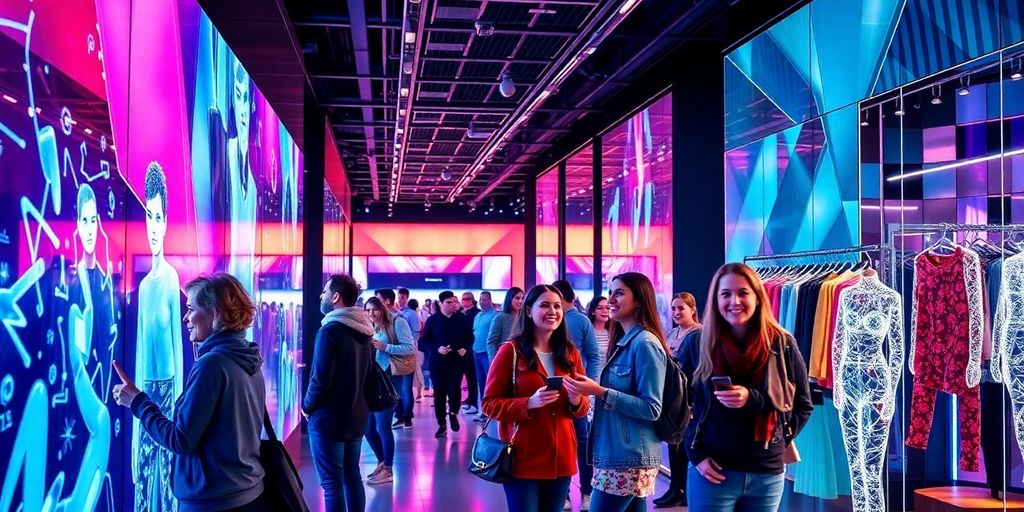
Experiential retail is about more than just selling stuff; it’s about creating memories. It’s about giving people a reason to visit your store beyond just needing something. It’s about making your brand stick in their minds. So, how do you actually make it work?
Harnessing Consumer Data for Insights
Data is your secret weapon. You’re probably sitting on a goldmine of information about your customers: what they buy, how long they browse, what promotions they respond to. Use it! Understand what makes them tick, what they’re interested in, and what they expect from an experience. This isn’t just about demographics; it’s about understanding their motivations and desires. For example, if you notice a lot of people lingering in the beauty experience centers, maybe you need to expand that section or offer more personalized consultations.
Personalizing Customer Engagement
Generic experiences are forgettable. Tailor the experience to the individual. Use the data you’ve gathered to create personalized recommendations, offer exclusive deals, or even just greet them by name when they walk in. Think about how you can make each customer feel seen and valued. It could be as simple as remembering their preferences or as complex as using AI to suggest products based on their past purchases.
- Offer personalized recommendations based on past purchases.
- Create exclusive deals for loyal customers.
- Use in-store technology to recognize and greet returning customers.
Agile Strategies and Pop-Up Concepts
Retail is constantly changing, so your strategy needs to be flexible. Don’t be afraid to experiment with new ideas, test different concepts, and adapt to changing customer preferences. Pop-up shops are a great way to do this. They allow you to test new markets, introduce new products, or create unique, limited-time experiences without making a long-term commitment. Think of them as a low-risk way to immersive brand environments and see what resonates with your audience.
The key to success in experiential retail is to be adaptable. What works today might not work tomorrow, so you need to be constantly learning, iterating, and refining your approach. Don’t be afraid to fail, but always be sure to learn from your mistakes.
Innovative Examples of Immersive Retail
Athleisure Brands Redefining Engagement
Athleisure brands have really stepped up their game when it comes to engaging customers. It’s not just about selling clothes anymore; it’s about selling a lifestyle. These brands are creating experiences that resonate with their target audience, often centered around fitness, wellness, and community.
- Pop-up fitness classes in-store.
- Partnerships with local studios.
- Personalized styling sessions.
Athleisure brands understand that their customers value experiences as much as they value products. By offering unique and engaging activities, they’re building stronger relationships and fostering brand loyalty.
Beauty and Home Decor Experience Centers
Beauty and home decor retailers are transforming their stores into experience centers. Think interactive displays, personalized consultations, and workshops that allow customers to really engage with the products. Sephora’s interactive media is a great example of this, allowing customers to virtually try on makeup.
- Makeup application tutorials.
- Home design consultations.
- DIY workshops.
Interactive Multimedia Showrooms
Interactive multimedia showrooms are becoming increasingly popular, especially for products like cars and electronics. These showrooms use technology to create immersive experiences that allow customers to explore products in new and exciting ways. Tesla’s showrooms are a prime example, showcasing vehicles through educational displays.
- Virtual reality test drives.
- Interactive product demos.
- Personalized product configurations.
These showrooms aren’t just about showcasing products; they’re about creating an engaging and informative experience that helps customers make informed decisions. They often incorporate self-service kiosks to provide product information and comparisons, saving shoppers time.
Building Customer Loyalty Through Unique Experiences
It’s not just about selling stuff anymore; it’s about creating moments that stick with people. When customers feel a connection to your brand beyond the products, that’s when real loyalty starts to build. Think about it – are you more likely to stick with a company that just takes your money, or one that makes you feel like part of something special?
Rewarding Valued Customers with Exclusivity
Giving your best customers special treatment is a no-brainer. It makes them feel appreciated and reinforces their decision to choose you over the competition. It’s about making them feel like they’re part of an exclusive club. Here’s how you can do it:
- Early access to new products: Let them be the first to try out what’s coming next.
- Exclusive discounts: Everyone loves a good deal, especially when it’s just for them.
- Personalized recommendations: Show them you know their tastes and preferences.
Rewarding loyalty isn’t just about perks; it’s about showing you value their business and appreciate their continued support. It’s about building a relationship, not just completing a transaction.
Community Building Through In-Store Events
Turning your store into a gathering place can do wonders for customer loyalty. Think about hosting events that bring people together around shared interests related to your brand. This is a great way to build brand experiences and foster a sense of community. Here are some ideas:
- Workshops and classes: Teach customers new skills or share your expertise.
- Product launch parties: Make a splash when you introduce something new.
- Meet-and-greets with influencers: Bring in someone your customers admire.
Brand Activations Beyond the Traditional Store
Don’t limit your efforts to the four walls of your store. Get out there and create experiences in the real world that connect with your target audience. This could involve sponsoring local events, partnering with other businesses, or creating pop-up shops in unexpected places. This is a great way to create interactive multimedia experiences and get people talking about your brand. Consider these options:
- Sponsor a local sports team: Get your name out there and support the community.
- Host a pop-up shop at a music festival: Reach a new audience in a fun setting.
- Partner with a charity for a fundraising event: Show your commitment to a cause.
Here’s a simple table showing how different activations can impact customer perception:
| Activation Type | Impact on Customer Perception |
|---|---|
| Local Event Sponsorship | Shows community support, builds goodwill |
| Pop-Up Shop | Creates excitement, reaches new audiences, boosts brand awareness |
| Charity Partnership | Demonstrates social responsibility, enhances brand image |
By going beyond the traditional store, you can create memorable experiences that build lasting customer loyalty. Remember, it’s about making a connection, not just a sale. You can also personalize engagement to make the experience even more special.
The Future of Retail: Blending Physical and Digital
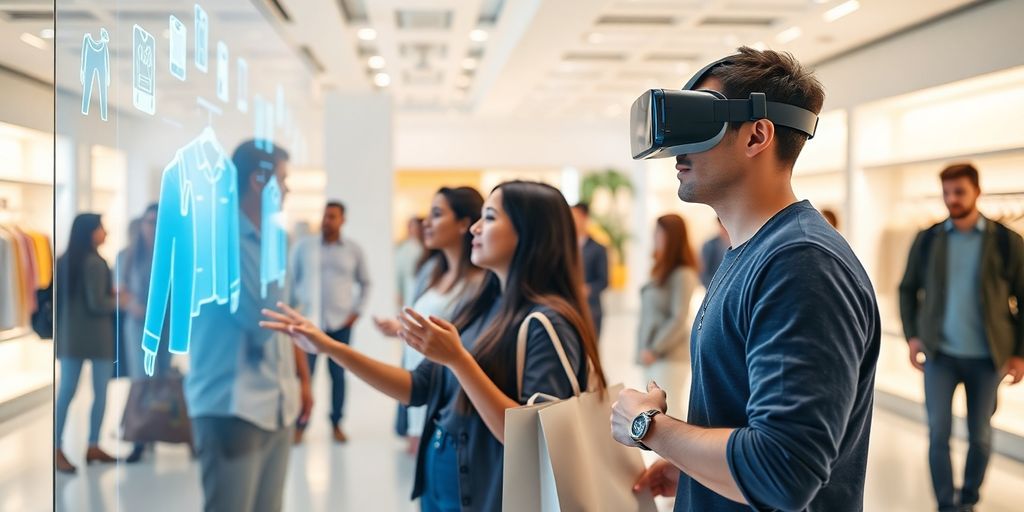
It’s pretty clear that the future of retail isn’t about physical stores or online shopping; it’s about both. The trick is figuring out how to make them work together in a way that feels natural and easy for the customer. It’s not just about having a website and a store; it’s about making sure they talk to each other.
Omnichannel Fulfillment and Convenience
Think about it: you see something online, but you want to try it on before you buy. Or maybe you’re in a store, but they don’t have your size. Omnichannel fulfillment is the answer. It’s about giving customers options – buy online and pick up in store, order in-store and have it shipped to your house, return online purchases to a physical location. It’s all about convenience. Here’s a quick look at some popular options:
- Buy Online, Pick Up In Store (BOPIS)
- Curbside Pickup
- In-Store Returns for Online Purchases
Contactless Engagement and Checkout Solutions
Nobody likes waiting in line. And in a world where everyone’s used to instant gratification, making the checkout process as quick and painless as possible is key. Self-service kiosks and mobile payment options are becoming more common, and for good reason. They save time, reduce contact, and can even improve the overall shopping experience.
Creating a Single Source of Customer Truth
Imagine a world where every interaction a customer has with your brand – whether it’s on your website, in your store, or on social media – is connected. That’s the power of a single source of customer truth. It means having all the data about a customer in one place, so you can personalize their experience and provide better service. It’s not just about knowing what they bought; it’s about understanding their preferences, their history, and their needs. This allows for better immersive brand environments.
Having a unified view of the customer is no longer a luxury; it’s a necessity. It allows retailers to anticipate needs, personalize interactions, and build stronger relationships. It’s the foundation for creating truly exceptional experiences that keep customers coming back for more.
The Future of Shopping is Here
So, what’s the big takeaway from all this? It’s pretty clear that regular old shopping isn’t enough anymore. Stores that want to stick around and do well need to think about making things fun and interesting for people. It’s not just about buying stuff; it’s about having a good time and feeling connected to a brand. The places that figure out how to do this will be the ones people keep coming back to, and that’s how they’ll keep going strong for a long time.
Frequently Asked Questions
What exactly is “experiential retail”?
Experiential retail is all about making shopping in a physical store more exciting and memorable. Instead of just buying things, customers get to do fun activities, try out products in cool ways, and feel a connection to the brand. It’s like going to an amusement park, but for shopping!
Why is this new way of shopping so important?
It’s super important because people today want more than just stuff. They want experiences! When a store offers something unique and fun, it makes customers happier, helps them remember the brand, and makes them want to come back. It’s also a great way for stores to stand out from online shopping.
What kind of technology do stores use for these experiences?
Stores use all sorts of cool tech! Think big touchscreens where you can design your own shoes, virtual reality headsets that let you try on clothes without actually putting them on, or smart mirrors that show you how makeup looks. They also use special computer programs to suggest things you might like.
Does making shopping fun actually help stores sell more?
Absolutely! When stores create these amazing experiences, it makes customers feel special and connected. This strong connection often leads to people buying more, telling their friends about the store, and becoming loyal fans who keep coming back.
Can you give examples of stores doing this well?
Many brands are doing awesome things! For example, some sports brands have indoor tracks or climbing walls. Beauty stores offer mini-makeovers and classes. Even furniture stores let you design your dream room with their products on big screens.
What will shopping look like in the future?
The future of shopping is a mix of online and in-store. Stores will become places where you can hang out, learn new things, and have fun, not just buy stuff. Technology will make it super easy to switch between shopping online and in person, making the whole experience smooth and exciting.