



So, you’ve probably heard a lot about “supply chains” lately. It’s not just some boring business term anymore, right? Things have been pretty wild out there, with all sorts of global hiccups messing with how stuff gets from point A to point B. It really shows how fragile the old ways of doing things are. But hey, that’s where smart tech comes in. We’re talking about totally changing how supply chains work, making them tougher and way more flexible. It’s all about using new tools to make things run smoother, especially when the world decides to throw a curveball. This article is all about Reinventing Supply Chains with Smart Technology, and trust me, it’s a game-changer.
Key Takeaways
- Smart technology, like AI and IoT, is making supply chains much more efficient and able to handle problems.
- Moving from old-fashioned, manual ways to automated, digital systems helps businesses see what’s happening in real-time.
- AI helps with everything from managing what’s in stock to making sure deliveries are on time and even reducing pollution.
- Building a supply chain that’s good for the planet means using digital tools to cut down on waste and carbon.
- To make these big changes happen, companies need to figure out what they’re good at, set clear goals, and focus on important projects.
Major Trends Shaping Digital Supply Chains in 2025
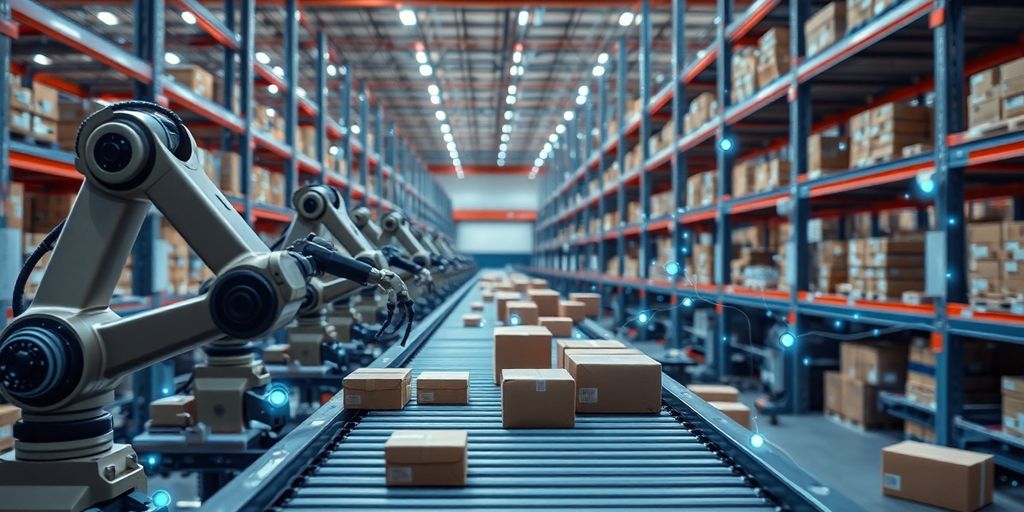
Okay, so 2025 is just around the corner, and the supply chain world is looking pretty different. We’re not just talking about small tweaks here and there; it’s a whole new ballgame. Think faster, smarter, and way more connected. The old ways of doing things? They’re getting a serious upgrade.
AI-Driven Predictive Analytics
AI is no longer a futuristic fantasy; it’s the here and now. It’s like having a crystal ball, but instead of magic, it’s algorithms crunching tons of data. We’re talking about predicting demand, figuring out the best inventory levels, and spotting potential disruptions before they even happen. Remember when everyone was scrambling for toilet paper in 2020? AI could have helped avoid some of that chaos. It’s about AI transforming the supply chain from reactive to proactive.
IoT and Real-Time Visibility
Imagine being able to see exactly where every single product is, at any given moment. That’s the power of the Internet of Things (IoT). Sensors, trackers, and connected devices are feeding us a constant stream of information. No more guessing, no more wondering. It’s all right there, in real-time. This level of digital supply chain transformation is a game-changer for efficiency and customer satisfaction.
Cloud-Based Supply Chain Platforms
Think of the cloud as the central nervous system for the entire supply chain. It connects everyone and everything, from suppliers to manufacturers to distributors to retailers. It’s all about breaking down those old silos and getting everyone on the same page. No more emailing spreadsheets back and forth; it’s all in one place, accessible to everyone who needs it. This makes collaboration way easier and decision-making much faster.
The shift to digital isn’t just a nice-to-have; it’s a must-have. Companies that don’t embrace these trends are going to get left behind. It’s about staying competitive and meeting the ever-increasing demands of today’s consumers.
Here’s a quick look at how these trends are impacting key areas:
- Inventory Management: AI predicts demand, IoT tracks stock levels, and the cloud keeps everyone informed.
- Logistics: Real-time visibility optimizes routes, reduces delays, and lowers costs.
- Customer Service: Faster delivery times, fewer stockouts, and more accurate information.
How Digital Transformation Reshapes Supply Chains
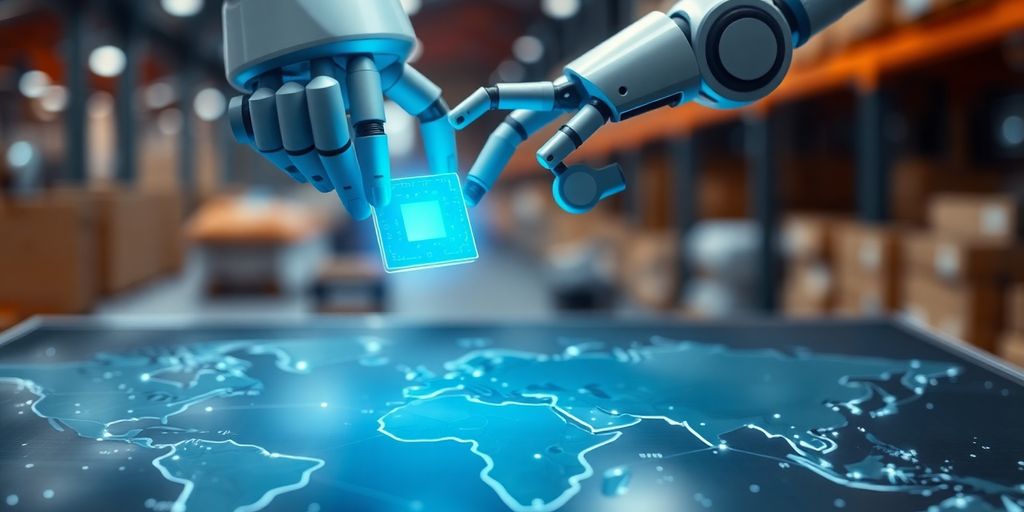
Digital transformation is really changing how supply chains work. It’s not just about adding new tech; it’s about rethinking the whole process. Companies are finding ways to make their supply chains more efficient, responsive, and, honestly, smarter. It’s a big shift, and it’s impacting everything from how products are made to how they get to customers.
Breaking Down Silos for Enhanced Collaboration
One of the biggest changes is how digital tools are helping different parts of a company work together. Traditionally, departments like procurement, manufacturing, and logistics operated in their own little worlds. Now, with shared data and communication platforms, they can see what each other is doing and improve efficiency. This means less miscommunication, fewer delays, and a more streamlined operation overall. It’s like everyone’s finally on the same page, which makes a huge difference.
Empowering Data Collection and Analysis
Digital transformation is also about gathering and using data more effectively. Think about it: every step in the supply chain generates data, from orders to shipments to inventory levels. With the right tools, companies can collect all this data and analyze it to identify trends, predict problems, and make better decisions. This data-driven approach is a game-changer, allowing companies to optimize their operations in ways that were never before possible.
Facilitating Faster Decision-Making
All this leads to faster, better decision-making. When you have real-time data and good communication, you can respond to changes in the market or disruptions in the supply chain much more quickly. This agility is crucial in today’s fast-paced business environment. Companies that can make decisions quickly and effectively have a big advantage over those that are stuck using outdated methods.
Digital transformation isn’t just about technology; it’s about changing the way people work and think. It requires a shift in mindset, a willingness to experiment, and a commitment to continuous improvement. It’s not always easy, but the rewards are well worth the effort.
Outdated Versus Automated: The Supply Chain Transformation
It’s wild to think about how much supply chains have changed. Not that long ago, everything was manual – spreadsheets, phone calls, and a whole lot of guesswork. Now, we’re talking about AI, IoT, and blockchain. It’s like going from horse-drawn carriages to self-driving cars overnight. The shift is not just about speed; it’s about accuracy, visibility, and being able to actually see what’s happening at every stage.
From Manual Processes to AI, IoT, and Blockchain
Remember those days of endless spreadsheets and hoping for the best? Those are fading fast. Now, AI algorithms can predict demand with impressive accuracy, IoT sensors track goods in real-time, and blockchain provides a secure, transparent record of every transaction. It’s a complete overhaul of how things used to be done. For example, consider the following comparison:
| Aspect | Outdated | Digital (Automated) Supply Chain |
|---|---|---|
| Technology | Manual processes, spreadsheets | AI, IoT, Blockchain |
| Decision-Making | Reactive | Proactive |
Enhanced Visibility Through Digital Tracking
One of the biggest improvements is visibility. With digital tracking, you can see where your products are at any given moment, from the factory floor to the customer’s doorstep. This level of transparency was simply impossible with older systems. It means fewer delays, fewer lost shipments, and happier customers. Plus, it makes it way easier to spot potential problems before they turn into full-blown crises.
Streamlining Operations with Automation
Automation is the name of the game. It’s not just about replacing human workers with robots (though that’s part of it). It’s about using technology to make every process more efficient. Think about automated warehouses, self-driving trucks, and AI-powered inventory management. It all adds up to faster delivery times, lower costs, and a more resilient supply chain.
The move to automation isn’t just a nice-to-have; it’s a must-have for companies that want to stay competitive. The old ways of doing things just can’t keep up with the demands of today’s market. It’s time to embrace the future or get left behind.
Smart Logistics: Leveraging AI for Superior Supply Chain Management
Okay, so picture this: your supply chain, but way smarter. We’re talking about using AI to make everything run smoother, faster, and cheaper. It’s not just about fancy robots; it’s about making intelligent decisions at every step. Think of it as giving your supply chain a brain boost. This is where AI-powered decisions come into play, giving supply chain management a boost by fusing real-time data streams, advanced analytics, and simulation modeling to accelerate and elevate decision-making.
Optimizing Inventory and Warehousing
AI is seriously changing how we handle inventory. Instead of guessing what we need, AI can predict demand with crazy accuracy. It looks at everything – economic trends, customer behavior, even global events – to figure out what’s going to sell. This means less waste, lower costs, and happier customers. AI is reshaping demand forecasting by replacing reactive models with predictive, context-aware systems.
- Better demand forecasting
- Reduced inventory costs
- Less waste
Reducing Carbon Emissions and Enhancing Efficiency
It’s not just about making money; it’s about being responsible. AI can help us optimize routes, reduce fuel consumption, and minimize our carbon footprint. Plus, it can help us use resources more efficiently, which is good for the planet and our bottom line. Digital tools optimize routes and reduce carbon footprints.
By leveraging AI in logistics, optimizing routes, and embracing clean energy, businesses can cut waste, reduce carbon emissions, and drive sustainability.
Proactive Disruption Management
Stuff happens. Factories get shut down, ships get delayed, and things go wrong. But with AI, we can see these problems coming and take action before they mess everything up. It’s like having a crystal ball for your supply chain. This enhanced visibility allows companies to detect disruptions early, respond proactively, and better manage supplier performance. Consider advanced planning and scheduling (APS) systems.
| Disruption Type | Traditional Response | AI-Powered Response |
|---|---|---|
| Weather Delay | React after impact | Proactive rerouting |
| Supplier Issue | Find new supplier | Predict and mitigate |
| Demand Spike | Struggle to fulfill | Optimize production |
Sustainable and Green Supply Chain Practices
It’s no secret that supply chains can be pretty rough on the environment. All that shipping, manufacturing, and warehousing adds up. But, there’s a growing push to make things greener, and tech is playing a big role. Let’s look at how companies are trying to clean up their act.
AI-Driven Resource Management for Waste Reduction
AI can really help cut down on waste. Think about it: AI can analyze data to figure out exactly how much of something you need, so you’re not over-ordering and ending up with a bunch of stuff you have to throw away. It’s about making smarter decisions at every step. Plus, AI can optimize manufacturing processes to use fewer resources and generate less scrap. It’s a win-win.
Digital Tools for Route Optimization and Carbon Footprint Reduction
One of the biggest environmental impacts of supply chains comes from transportation. All those trucks and ships burning fuel add up to a lot of emissions. But, digital tools can help. Route optimization software can find the most efficient routes, cutting down on mileage and fuel consumption. And, companies are starting to use data analytics to measure their carbon footprint and identify areas where they can improve. It’s all about using data to make smarter choices.
Embracing Clean Energy in Logistics
Switching to clean energy is a big deal for greening supply chains. This means using electric vehicles for deliveries, powering warehouses with solar energy, and exploring alternative fuels for shipping. It’s not always easy or cheap, but it’s a crucial step. Some companies are even partnering with renewable energy providers to offset their carbon emissions. It’s a long road, but the shift to clean energy is definitely underway.
Making supply chains sustainable isn’t just about being eco-friendly; it’s also about being more efficient and resilient. By reducing waste, optimizing routes, and embracing clean energy, companies can save money, improve their reputation, and build a more sustainable future. It’s a smart move for business and the planet.
Strategies for Seamless Digital Supply Chain Transformation
Okay, so you’re thinking about making your supply chain all digital and fancy? It’s not just about throwing some computers at the problem. You need a plan. Here’s how to actually make it happen without losing your mind (or your budget).
Examining Current Capability and Identifying Gaps
First things first, you gotta know where you’re starting. Think of it like planning a road trip – you need to know your current location before you can punch in the destination. Take a hard look at what you’re doing now. What’s working? What’s a total mess? Don’t sugarcoat it. Be honest about your tech, your people, and your processes.
- What software are you using? Is it ancient? Does it even talk to each other?
- Are your employees ready for new tech, or will they revolt?
- Where are the bottlenecks? What’s slowing you down?
Setting Clear Objectives Aligned with Business Priorities
Now, what do you want to achieve? More importantly, how does that fit into the bigger picture for your company? Don’t just say "we want to be digital!" That’s not a goal; that’s a bumper sticker. Get specific. Do you want to cut costs? Improve delivery times? Reduce waste? Make sure your business priorities are crystal clear, and that your digital supply chain goals directly support them.
Here’s a quick example:
| Goal | Metric | Why It Matters |
|---|---|---|
| Reduce shipping costs | Cost per shipment, fuel consumption | Improves profitability, reduces environmental impact |
| Improve delivery speed | Average delivery time | Increases customer satisfaction, gains competitive edge |
| Reduce inventory waste | Percentage of obsolete inventory | Lowers storage costs, minimizes losses |
Focusing on Key Initiatives for Strategic Wins
Don’t try to do everything at once. That’s a recipe for disaster. Pick a few key areas where you can make a real impact quickly. Think of it as quick wins to build momentum and show everyone that this digital thing is actually worth the effort. Maybe it’s improving your digital tracking or automating your warehouse. Whatever it is, focus your energy there first. Once you’ve got some success under your belt, you can tackle the bigger, more complicated stuff.
It’s easy to get overwhelmed by all the possibilities of digital transformation. Start small, focus on what matters most, and build from there. Don’t be afraid to experiment, but always keep your eye on the prize: a more efficient, resilient, and profitable supply chain.
Addressing Challenges in Traditional Supply Chain Systems
Overcoming Data Fragmentation and Lack of Integration
Traditional supply chains often suffer from data being scattered across various systems. Think about it: ERPs, CRMs, spreadsheets… it’s a mess! This data fragmentation makes it incredibly difficult to get a clear, unified view of the entire supply chain. It’s like trying to assemble a puzzle when half the pieces are missing. This lack of integration leads to inefficiencies, delays, and poor decision-making. Imagine trying to figure out if you have enough inventory to meet a surge in demand when your sales data is in one system, your inventory data is in another, and your supplier data is in yet another. Good luck with that!
Improving Forecasting Confidence with Consolidated Views
One of the biggest headaches in supply chain management is forecasting demand. Traditional methods often rely on historical data and gut feelings, which aren’t always reliable. When you combine that with fragmented data, you’re basically flying blind. A consolidated view, powered by something like AI-driven predictive analytics, can significantly improve forecasting accuracy. By bringing all the relevant data together, you can identify trends, patterns, and potential disruptions that would otherwise be missed. This allows for better planning, reduced waste, and improved customer satisfaction. It’s about moving from guesswork to informed predictions.
Transitioning from Reactive to Proactive Decision-Making
Traditional supply chains are often reactive, meaning they respond to problems as they arise. A shipment is delayed? Put out the fire! A supplier goes bankrupt? Scramble to find a replacement! This reactive approach is costly, inefficient, and stressful. The goal is to transition to a proactive model, where you anticipate problems before they happen. This requires real-time visibility, advanced analytics, and the ability to quickly assess and respond to potential disruptions. It’s about being prepared for anything, rather than constantly playing catch-up.
Moving from reactive to proactive decision-making involves a shift in mindset and a willingness to invest in new technologies. It’s not just about fixing problems; it’s about preventing them in the first place. This requires a culture of continuous improvement and a commitment to data-driven decision-making.
Here’s a simple comparison:
| Feature | Reactive Supply Chain | Proactive Supply Chain |
|---|---|---|
| Decision-Making | Reactive | Anticipatory |
| Data Visibility | Limited | Comprehensive |
| Problem Solving | After the Fact | Before the Fact |
| Efficiency | Low | High |
| Risk Management | Ad Hoc | Strategic |
To make this transition, consider these steps:
- Implement a cloud-based supply chain platforms to centralize data.
- Use AI and machine learning to identify potential risks.
- Develop contingency plans for various scenarios.
Conclusion
So, what’s the big takeaway here? Basically, smart tech is changing how supply chains work, and it’s a good thing. We’re talking about AI, IoT, and all that jazz making things run smoother, faster, and with fewer hiccups. It’s not just about fancy gadgets; it’s about making sure stuff gets where it needs to go without a ton of drama. Companies that get on board with this stuff are going to be way ahead of the game. It just makes sense to use these tools to make things better, right?
Frequently Asked Questions
What does “smart technology” mean for supply chains?
Smart technology in supply chains means using new tools like AI, sensors, and cloud computing to make things work better. It helps track products, predict what customers want, and make sure everything runs smoothly from start to finish.
How does AI help supply chains?
AI helps supply chains by predicting what people will buy, managing how much stuff is in stock, and finding the best ways to move products around. It makes the whole process faster and smarter.
What is IoT and how does it make supply chains more visible?
IoT, or the Internet of Things, uses smart sensors to keep an eye on products as they move. This helps businesses know exactly where their items are at all times, making everything more clear and easy to track.
How does going digital change supply chains?
Going digital helps supply chains by breaking down walls between different teams, making it easier for everyone to work together. It also helps collect and understand lots of information, which leads to quicker and better decisions.
What’s the difference between old and new supply chains?
Old supply chains used a lot of manual work and paperwork. New, automated ones use computers and robots to do tasks, which makes things much faster, more accurate, and saves money.
What are the first steps to making a supply chain smart?
To make your supply chain smart, first look at what you’re doing now and see what’s missing. Then, set clear goals that match your business plans. Finally, focus on a few key projects that will make a big difference.


