


Our current way of doing things, where we take resources, make stuff, and then just throw it away, is causing big problems. We’re running out of resources, and the environment is taking a hit. We need a new plan. The circular economy is that plan. It’s a fresh idea that changes how we think about growth and success. This article, “Sustainable Innovation: Redefining Profit Through Circular Economies,” will talk about how this new approach can help businesses, communities, and the planet.
Key Takeaways
- The circular economy turns waste into new chances, helping us use resources smarter.
- Building sustainable communities means changing how we use things and working together.
- A green jobs revolution can create local jobs and make our economy more fair.
- New technology helps us track materials and make supply chains work better.
- Designing things to last longer and be reused saves money and resources.
Transforming Waste Into Opportunity
It’s time to rethink what we consider "waste." Instead of seeing it as something to discard, we need to recognize its potential as a valuable resource. The old way of doing things – take, make, dispose – just isn’t going to cut it anymore. We’re running out of resources, and the planet is feeling the strain. That’s where the circular economy comes in. It’s a game-changer that can redefine how we grow and prosper.
The Power Of Circularity
Circularity is all about closing the loop. It means designing products that last longer, using materials that can be reused, and finding innovative ways to recycle and repurpose what we used to throw away. Imagine a world where almost nothing ends up in a landfill. It sounds like a dream, but it’s totally achievable with the right mindset and technology. Embracing circular economy models transforms waste into wealth, fostering innovation and building a sustainable future.
Redefining Growth And Prosperity
The circular economy isn’t just about being eco-friendly; it’s also about creating new economic opportunities. By finding new uses for old materials, we can reduce our reliance on virgin resources, lower production costs, and create new jobs in areas like recycling, remanufacturing, and sustainable design. It’s a win-win for the environment and the economy.
Emulating Nature’s Genius
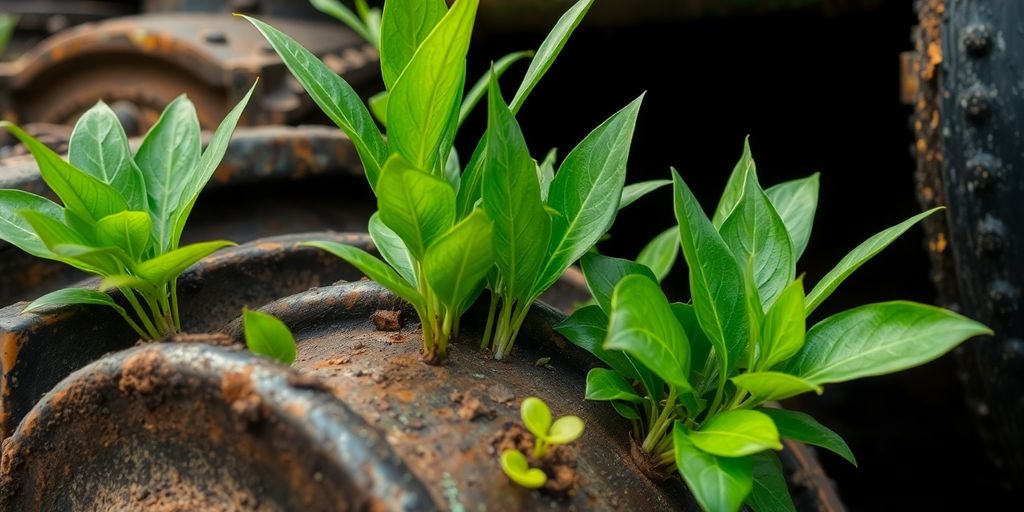
Nature has been doing circularity for billions of years. A leaf falls from a tree, decomposes, and becomes nutrients for new growth. There’s no waste in nature, only resources in different forms. We need to learn from nature’s example and design our systems to mimic its efficiency. As the saying goes:
"Nature does not know the concept of waste. A leaf falls from a tree, and it becomes the soil that nourishes new growth. We need to redesign our systems to emulate nature’s genius – to create a closed-loop system where waste becomes a resource."
Here are some ways to get involved in the Circular Revolution:
- Learn more about the circular economy and how it can benefit your business and community.
- Embrace innovation and implement technologies to optimize your resource management.
- Collaborate with others to create a more circular and sustainable future.
Sustainable Communities: Fostering A Culture Of Responsibility
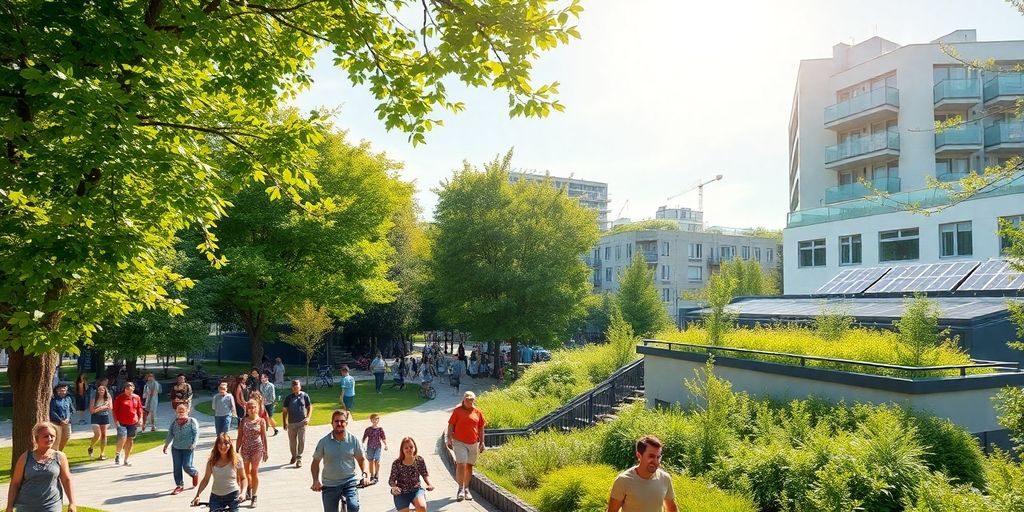
Okay, so, sustainable communities. It’s not just about recycling (though that’s important!). It’s about building a whole new way of thinking about how we live together and how we use stuff. It’s about making responsibility a normal thing.
Shifting Consumption Habits
We need to stop buying so much junk! Seriously. It’s about being more aware of what we’re buying and where it comes from. Are we really using everything we buy, or is it just ending up in the trash? The Circular Economy pushes us to move away from a ‘throwaway culture’ and start thinking about responsible consumption.
Here’s a simple breakdown:
- Think before you buy: Do you really need it?
- Choose products that last: Quality over quantity, always.
- Repair, reuse, recycle: Extend the life of your stuff.
Community Engagement And Collaboration
This isn’t something we can do alone. It takes everyone working together – neighbors, local businesses, even the government. Circular business models often involve local partnerships and community initiatives. Think about community gardens, repair cafes, or sharing libraries. It’s all about building a sense of shared responsibility.
Education And Awareness
People need to know why this is important. We need better education about the impact of our choices and how the circular economy works. It’s not enough to just tell people to recycle; we need to explain the whole picture. This empowers individuals to make informed choices and participate actively in creating a more sustainable future.
It’s about creating a system where everyone understands their role and feels motivated to contribute. It’s about making sustainability a part of our everyday lives, not just something we think about once in a while.
Job Growth And Development: A Green Jobs Revolution
The shift towards a circular economy isn’t just about the environment; it’s also about creating jobs and boosting local economies. It’s about rethinking how we produce and consume, and that means new opportunities for people with the right skills. It’s not just about ‘green’ jobs in the traditional sense, but also about adapting existing roles to fit a more sustainable model.
Creating Local Demand
One of the coolest things about the circular economy is how it can stimulate local economies. Instead of relying on far-off factories, we can create jobs right here at home. Think about it: repairing, remanufacturing, and recycling all need local workers. This creates a demand for local repair services and expertise, keeping money and jobs within the community. It’s a win-win.
Decentralized Economic Landscape
The old way of doing things was all about big, centralized production. The circular economy flips that on its head. It encourages smaller, more local businesses that focus on things like:
- Repairing goods
- Refurbishing old products
- Recycling materials
This creates a more diverse and resilient economy, less dependent on global supply chains. It also means more opportunities for entrepreneurs and small businesses to thrive. This shift can lead to a more equitable distribution of wealth and resources.
Holistic Approach To Sustainability
It’s important to remember that job creation is just one piece of the puzzle. A truly sustainable approach needs to consider the social, economic, and environmental impacts of everything we do. That means:
- Investing in education and training programs to equip workers with the skills they need for the circular economy.
- Supporting policies that promote sustainable business practices.
- Creating a culture of innovation and collaboration.
By taking a holistic approach, we can ensure that the transition to a circular economy benefits everyone, not just a select few. It’s about creating a future where economic prosperity and environmental sustainability go hand in hand.
Industry 4.0: The Engine Of Circular Transformation
Industry 4.0, with its cool tech like AI and IoT, is a game-changer for the circular economy. It’s not just about making things faster; it’s about completely rethinking how we make and use stuff. Let’s get into how Industry 4.0 helps the circular economy work.
Smart Tracking And Monitoring
Think about being able to track every single part of a product, from where it comes from to where it ends up. That’s what smart tracking does. Using sensors and data analytics, we can monitor products and materials in real-time. This helps us:
- Know exactly where resources are.
- Predict when maintenance is needed.
- Make sure materials get recycled or reused properly.
Real-Time Supply Chain Visibility
Imagine a supply chain where you can see everything that’s happening, all the time. That’s the power of real-time visibility. It means:
- Knowing where materials are at any moment.
- Spotting bottlenecks or inefficiencies quickly.
- Making better decisions about circular supply models.
Real-time supply chain visibility is not just about knowing where things are; it’s about understanding how they’re moving and how efficiently the entire system is working. This level of insight allows for quick adjustments and improvements, reducing waste and maximizing resource use.
Optimizing Resource Flows
With Industry 4.0, we can really fine-tune how resources move through the economy. This means:
- Using data to figure out the best ways to use materials.
- Reducing waste by predicting demand more accurately.
- Creating closed-loop systems where materials are constantly reused.
Here’s a simple example of how data can optimize resource use:
| Data Source | Insight Gained | Action Taken |
|---|---|---|
| Sensor Data | Machine X is using more energy than usual. | Schedule maintenance to improve energy efficiency. |
| Demand Forecasting | Demand for Product Y will increase next month. | Increase production using recycled materials. |
| Tracking Data | Pallet Z is stuck in a warehouse. | Reroute pallet to its destination immediately. |
Design-Led Innovation For Circularity
Designing For Longevity
It’s time to rethink how we make things. Instead of planned obsolescence, where products are designed to fail, we need to focus on making them last. This means using durable materials, creating modular designs that can be easily repaired or upgraded, and offering warranties that encourage long-term use. Think about it: a well-made product that lasts for years is better for the environment and better for the consumer’s wallet.
- Use durable materials.
- Create modular designs.
- Offer extended warranties.
Material Circulation Strategies
What happens to a product at the end of its life? It shouldn’t just end up in a landfill. We need to design products with material circulation in mind. This could involve using recycled materials, designing for disassembly so components can be easily reused or recycled, or even creating closed-loop systems where materials are continuously cycled back into new products. Apple exemplifies circular economy principles in their electronics, showing how it’s possible to minimize waste and maximize resource use.
- Using recycled materials.
- Designing for disassembly.
- Creating closed-loop systems.
By thinking about the entire lifecycle of a product from the very beginning, we can minimize waste and create a more sustainable system.
Cost Savings Through Circular Design
Circular design isn’t just good for the environment; it can also save money. By using fewer raw materials, designing for durability, and creating systems for reuse and recycling, companies can reduce their costs and increase their profits. Plus, consumers are often willing to pay more for products that are built to last and have a lower environmental impact.
Consider these potential savings:
| Strategy | Potential Savings |
|---|---|
| Using recycled materials | Reduced raw material costs |
| Designing for durability | Fewer warranty claims, increased customer loyalty |
| Closed-loop systems | Revenue from recovered materials |
Innovation In Circular Supply Models
Okay, so the traditional way of doing things – you know, make, use, toss – isn’t cutting it anymore. We’re running out of stuff, and the planet is getting buried in waste. That’s where circular supply models come in. It’s about rethinking how things get from point A to point B, and then back to point A again, ideally without creating a ton of garbage along the way. It’s a big shift, but honestly, it’s the only way forward.
Closed-Loop Logistics
Closed-loop logistics? Sounds fancy, right? Basically, it means taking stuff back after people are done with it and figuring out how to reuse it. Think of it as a boomerang for materials. It’s not just about recycling; it’s about designing products so they can be easily taken apart and reused.
Here’s a simple breakdown of the process:
- Collection: Getting the used products back.
- Sorting: Figuring out what’s still good and what’s not.
- Reprocessing: Cleaning, repairing, or breaking down the materials.
- Redistribution: Getting the materials back into the supply chain.
Recycled Packaging Initiatives
Packaging is a huge problem. All that plastic and cardboard ends up in landfills. Recycled packaging initiatives are all about finding ways to use less new material and more recycled stuff. It’s not just about using recycled paperboard; it’s about rethinking packaging altogether. Can we use compostable materials? Can we design packaging that can be reused? These are the questions companies need to be asking. For example, using AI for emission tracking can help companies monitor the environmental impact of their packaging choices and optimize for sustainability.
Reverse Supply Chains
Reverse supply chains are the backbone of any circular economy. It’s all about setting up systems to get products back from consumers. This can be tricky, but it’s essential. Think about electronics recycling programs, or companies that take back old clothes. It’s not just about being nice; it’s about creating a valuable source of materials.
Setting up a reverse supply chain isn’t easy. It takes planning, investment, and a willingness to change the way things have always been done. But the payoff – a more sustainable and resilient business – is worth it.
Economic Advantages Of The Circular Economy
Accessibility And Affordability
The circular economy isn’t just about being green; it’s about making things more accessible and affordable for everyone. Think about it: repair, reuse, and product-as-a-service models can really open up access to essential goods and services for a wider group of people. It’s about making sustainability inclusive, not exclusive.
Supporting Local Businesses
The circular economy can be a real shot in the arm for local businesses. It creates demand for local repair shops, remanufacturing facilities, and resource recovery services. This helps build a more decentralized and fair economic landscape. It’s about keeping money and jobs within the community.
By embracing the circular economy, we can create a future where communities thrive, green jobs flourish, and economic opportunities are more equally distributed. This approach to sustainability creates a win-win situation for society as a whole.
Equitable Global Supply Chains
Circular practices can help reduce our reliance on virgin materials, which often come from places with weak environmental rules or poor labor standards. This promotes a more sustainable global supply chain. Plus, a shift toward a circular economy could create a lot of new jobs. This economic boost benefits local communities and strengthens regional economies.
The Future is Circular
So, what’s the big takeaway here? It’s pretty simple. The old way of doing things, where we just take, make, and then throw stuff away, isn’t going to work anymore. We’re running out of resources, and our planet is feeling the heat. But there’s good news! The circular economy offers a real path forward. It’s about being smart with what we have, making things last, and finding new ways to use materials. Think about it: less waste, more jobs, and a healthier planet. It’s not just some fancy idea; it’s a practical way to build a better future for everyone. We can all play a part in making this happen, from big companies to everyday folks. Let’s get to it.
Frequently Asked Questions
What is the circular economy?
The circular economy is a new way of making and using things. Instead of making something, using it once, and throwing it away, we try to keep materials in use for as long as possible. This means designing products that can be repaired, reused, or recycled.
How does the circular economy help the environment and people?
The circular economy helps our planet by reducing waste and pollution. It also helps businesses save money by using fewer new materials and creating new jobs in repair and recycling. It makes things more fair for everyone too.
Can the circular economy create new jobs?
Yes, definitely! When we focus on repairing, reusing, and recycling, we create new jobs. These are often local jobs, like fixing electronics or taking old materials and turning them into new ones.
How does technology help the circular economy?
Technology like smart sensors and special computer programs helps us track materials and products. This makes it easier to know where things are and how they can be reused or recycled. It’s like a smart map for all our stuff.
What does “designing for circularity” mean?
It means making products that last a long time and can be easily fixed. We also think about what happens to the materials after someone is done with the product, making sure they can be used again for something new.
What are “closed-loop logistics”?
It means setting up systems where old products can be collected and their parts or materials used again. Think of it like a loop: products go out, are used, and then come back to be made into something new, instead of being thrown away.